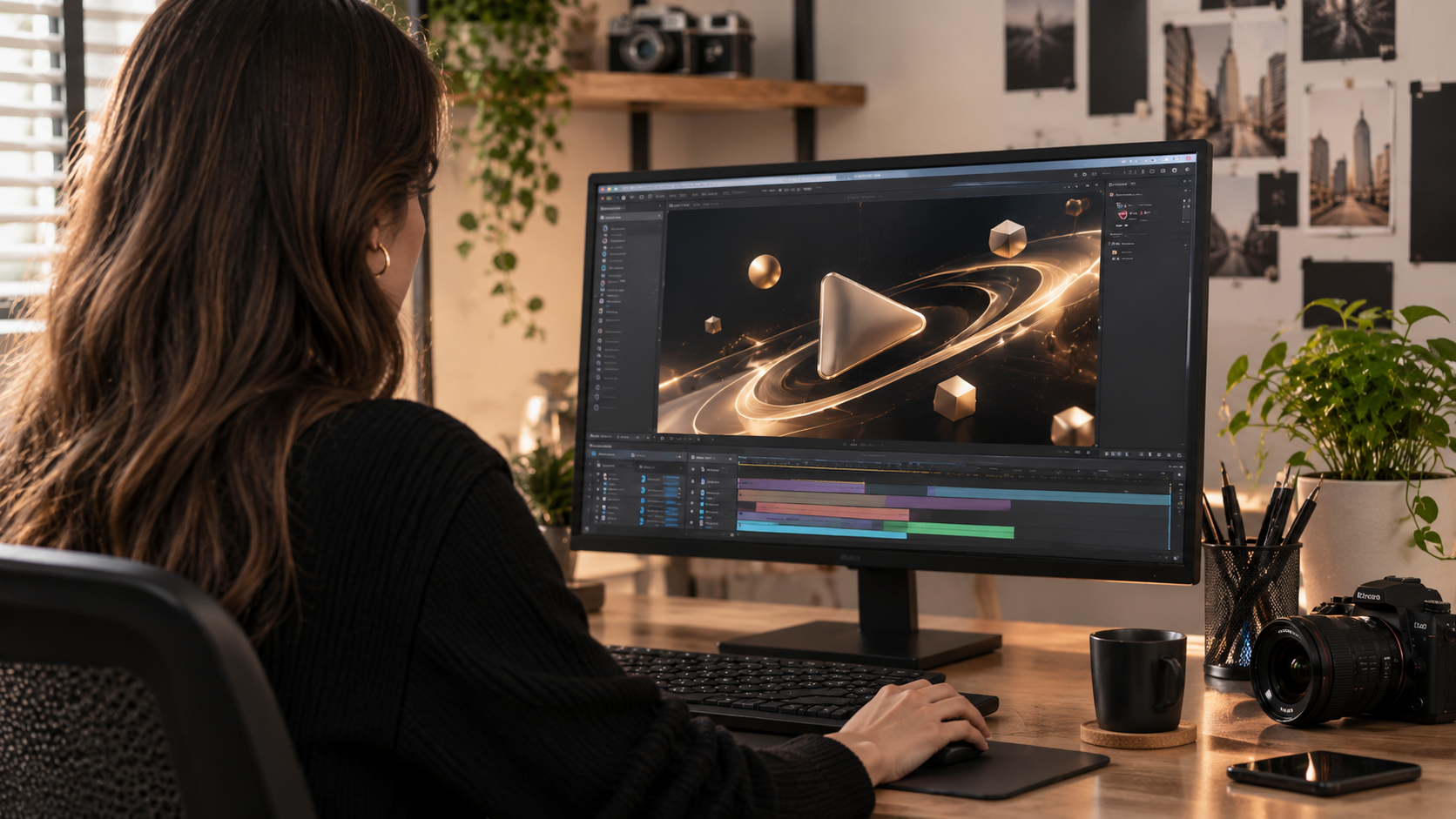
You’ve probably seen logos, cool explainer videos or fun social media visuals. That’s motion graphics at work.. What exactly is motion graphics and why is it so important now? Motion graphics are changing how we communicate on platforms. They’re not just nice to look at. They’re key to getting messages across building brands and telling stories. This guide will cover everything about motion graphics from its history, to how it’s used in real life. We’ll keep it simple and fun to read.
What Is Motion Graphics?
Definition and Core Concept
At its core, What Is Motion Graphics can be answered simply: it is the art of bringing graphic design elements to life through movement. Unlike traditional animation that focuses on characters and storytelling, motion graphics typically revolve around text, shapes, icons, and visual effects.
To put it another way, What Is Motion Graphics involves using animation techniques to communicate ideas visually. Think of moving typography, animated infographics, or UI transitions; these are all examples of motion graphics.
Motion Graphics Explained
When people ask for a motion graphics explanation, the easiest way to understand it is by comparing it with static design. A poster becomes more engaging when its elements move, fade, or transform. Motion graphics add that extra layer of energy and clarity.
In Motion Graphics in 2026, this concept has expanded even further with the integration of AI, real-time rendering, and immersive formats like AR and VR.
Key Elements of Motion Graphics
Visual Design
Motion graphics rely heavily on strong design fundamentals. This includes color theory, typography, layout, and composition. Without good design, movement alone won’t create impact.
Animation and Timing
Timing is everything. Smooth transitions, pacing, and rhythm are what make motion graphics feel professional. This is where motion graphics animation plays a critical role.
Sound and Music
Audio enhances the visual experience. Subtle sound effects or background music can make motion graphics more engaging and memorable.
History of Motion Graphics
Early Beginnings
The history of motion graphics dates back to early film titles and experimental animations in the 20th century. Designers began exploring how text and shapes could move on screen to create visual interest.
Rise of Digital Tools
With the advent of computers in the 1980s and 1990s, motion graphics evolved rapidly. Software like After Effects allowed designers to experiment with animation in ways never before possible.
Modern Era
Today, Motion Graphics in 2026 are driven by advanced tools, AI-assisted workflows, and cross-platform integration. The field has expanded beyond film and television into marketing, education, gaming, and social media.
Motion Graphics in 2026
What Makes It Different Today?
Motion Graphics in 2026 are smarter, faster, and more interactive than ever before. AI tools can automate repetitive tasks, generate animations, and even suggest design improvements.
Another defining feature of Motion Graphics in 2026 is personalization. Content can now adapt in real time based on user behavior, making experiences more engaging.
Emerging Trends
- AI-assisted animation
- Real-time rendering
- Interactive motion design
- Integration with AR and VR
- Micro-animations for apps and websites
These trends show how Motion Graphics in 2026 are shaping the future of digital communication.
Real-Life Motion Graphics Examples
To truly understand the impact, let’s look at some practical motion graphics examples:
1. Explainer Videos
Brands use motion graphics to simplify complex ideas into easy-to-understand visuals.
2. Social Media Content
Short, eye-catching animations dominate platforms like Instagram and TikTok.
3. User Interface (UI) Design
Micro-animations guide users and improve app experiences.
4. Advertising
Animated ads capture attention quickly and deliver messages effectively.
5. Film and Television
Opening titles and transitions often rely heavily on motion graphics.
These motion graphics examples show how versatile and widely used this medium has become.
Motion Graphics Design Principles
Simplicity
Good motion graphics design focuses on clarity. Too many elements can overwhelm the viewer.
Consistency
Maintaining a consistent style ensures a cohesive visual experience.
Purpose
Every movement should have a reason. Random animation can confuse rather than enhance.
How to Create Motion Graphics
If you’re wondering about how to create motion graphics, here’s a simple breakdown:
Step 1: Plan Your Concept
Start with a clear idea of what message you want to convey.
Step 2: Design Assets
Create visual elements like icons, text, and illustrations.
Step 3: Animate
Use software tools to bring your designs to life.
Step 4: Add Sound
Enhance your visuals with audio effects or music.
Step 5: Export and Share
Render your final project and distribute it across platforms.
Learning how to create motion graphics takes practice, but the process becomes easier with time and experience.
Why Motion Graphics Matter
Improved Communication
Motion graphics make complex information easier to understand.
Higher Engagement
Moving visuals naturally capture attention better than static images.
Versatility
From marketing to education, motion graphics can be used across industries.
Brand Identity
Consistent use of motion graphics helps brands stand out and stay memorable.
The Future of Motion Graphics
Looking ahead, Motion Graphics in 2026 will continue to evolve with technology. AI will play a bigger role, making tools more accessible even for beginners. At the same time, creativity will remain at the heart of the field.
As demand grows, understanding What Is Motion Graphics will become increasingly important for designers, marketers, and content creators alike.
Conclusion
So, What Is Motion Graphics? It’s more than just animated visuals, it’s a powerful communication tool that blends design, animation, and storytelling. From its early beginnings to its current state, the journey of motion graphics reflects the evolution of digital media itself.
In Motion Graphics in 2026, the possibilities are nearly limitless. Whether you’re watching an ad, scrolling through social media, or using an app, motion graphics are shaping your experience in subtle yet impactful ways.
By understanding What Is Motion Graphics and exploring its applications, you open the door to a creative field that is both exciting and essential in today’s digital world.